
Telti is a village that slowly wins you over, almost without trying, through its atmosphere, landscape and deep relationship with the land around it. A village sculpted amid granite, wind and Gallura.
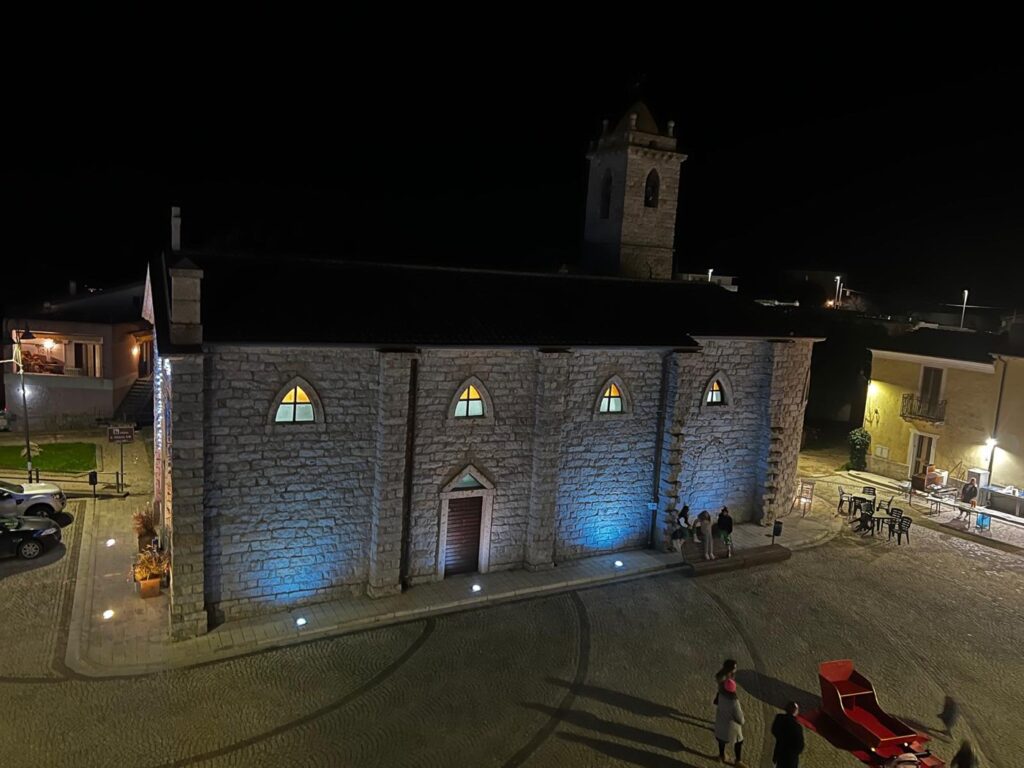
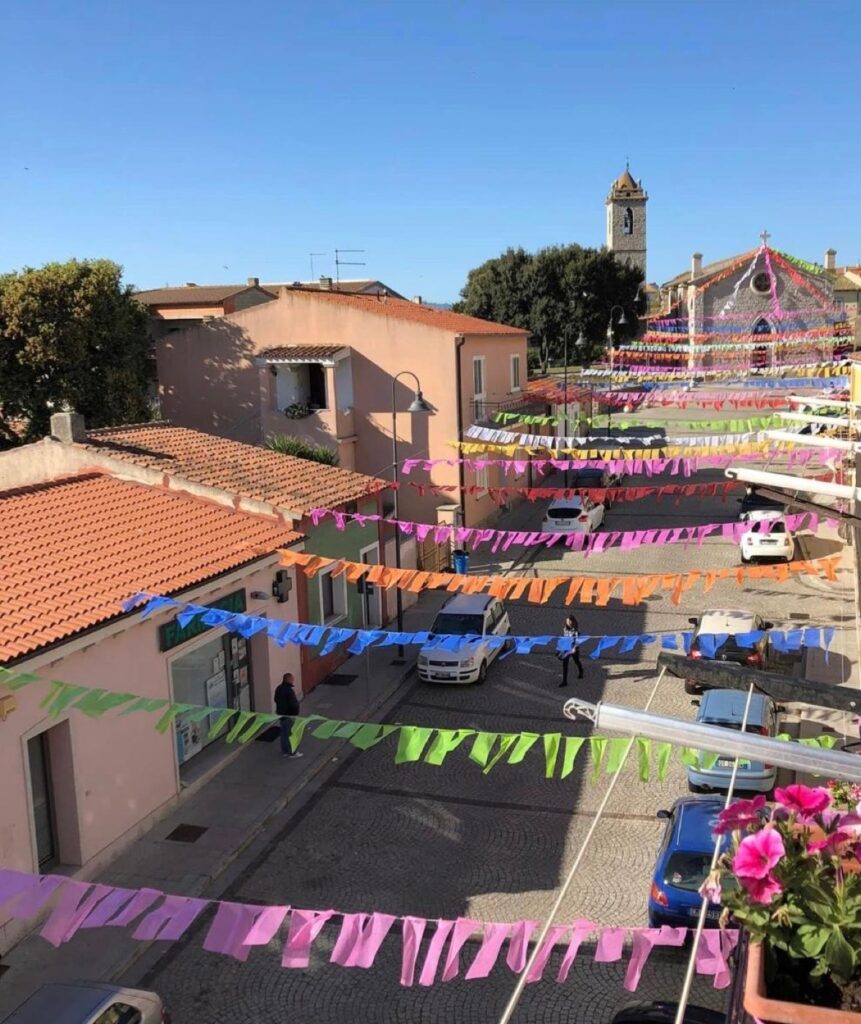
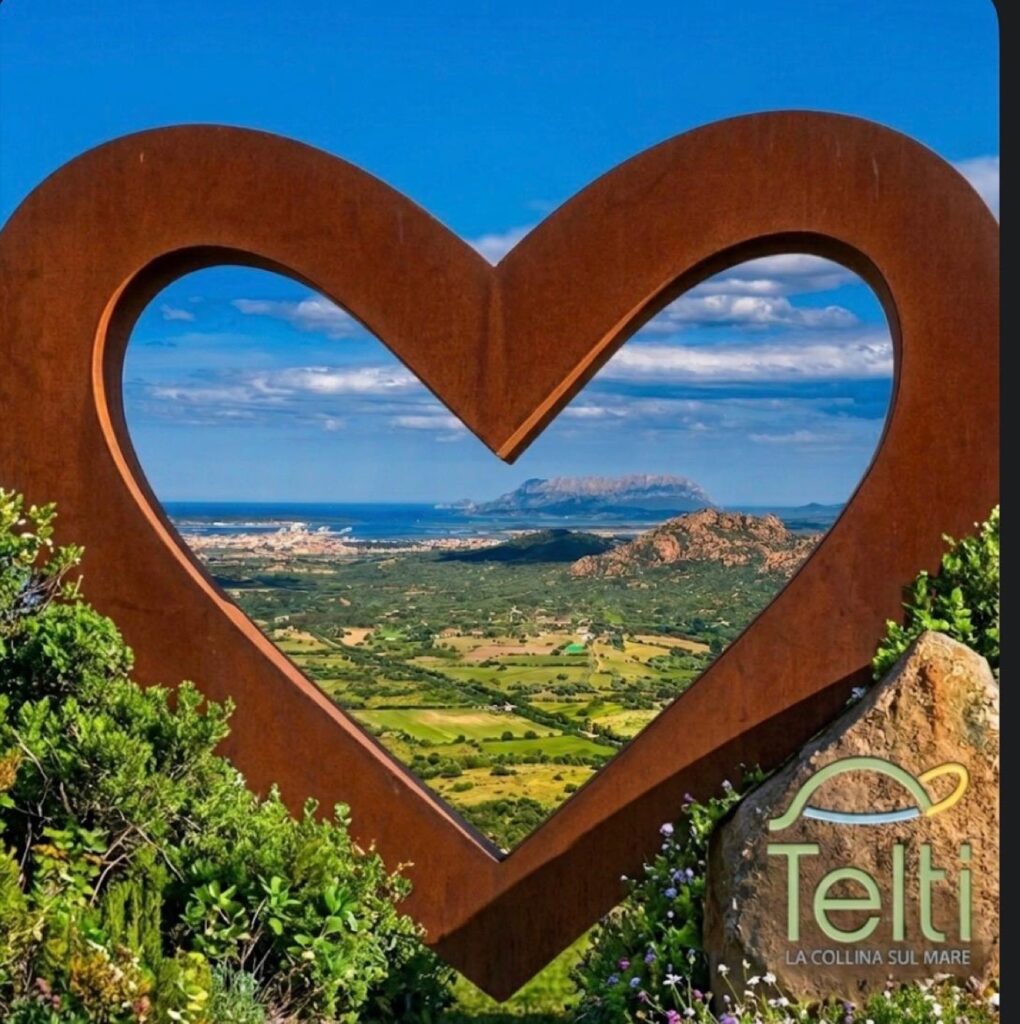
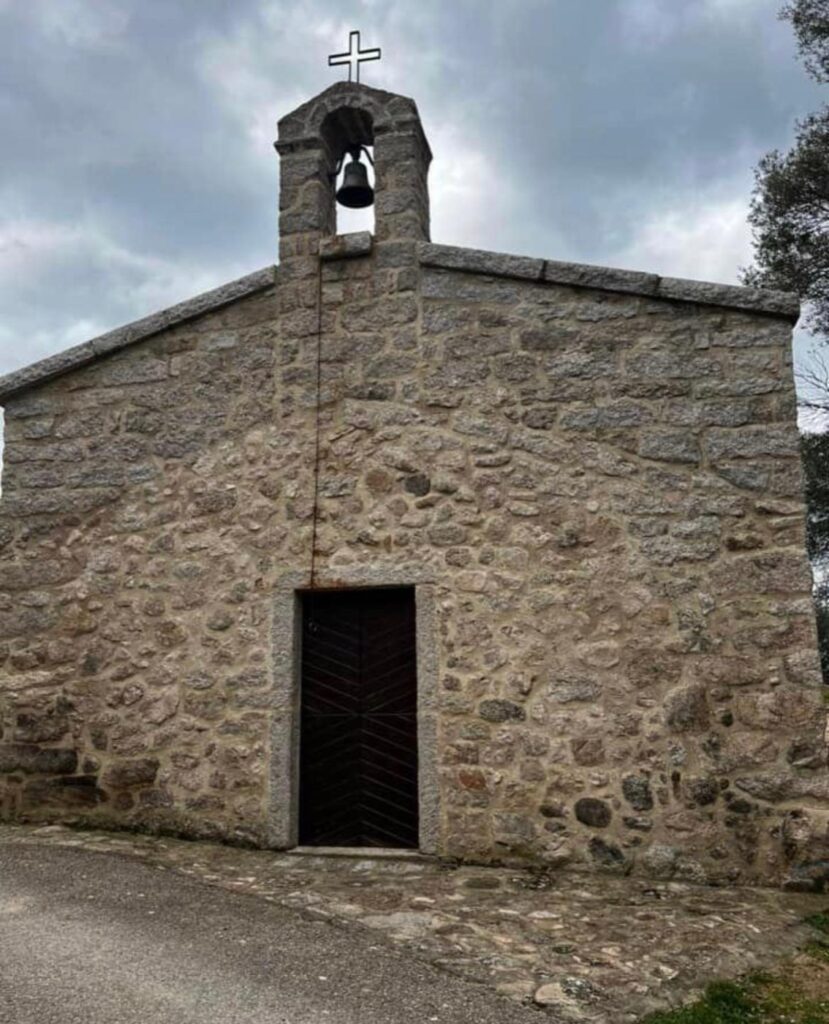
Nestled among the hills, just a few kilometres from the sea and the best-known coasts of north-eastern Sardinia, the village is immersed in a landscape of granite, pine forests, vineyards, wild olive trees and Mediterranean scrub. It still preserves the slow, authentic rhythm of inland Gallura, far from the noise of the busiest tourist destinations. Here, life retains a genuine pace connected to the land and pastoral farming, in a weave of agro-pastoral traditions, craftsmanship and historical memories rooted in the deepest soul of Gallura.
Its origins reach far back in time. The name Telti probably derives from Tertium, a Roman station on the inland routes linking Olbia with the rest of northern Sardinia. Over the centuries, the territory experienced different dominions, wars and population movements, until the present-day village began to form between the eighteenth and nineteenth centuries around the small country churches of Santa Vittoria and Santa Anatolia. No trace of the latter church survives today, but devotion to the saint remains: she is honoured together with Santa Vittoria on the first weekend in May.
Telti is a place where Gallura reveals its most authentic face: the scents of the Mediterranean scrub, granite dry-stone walls, hands marked by work, wind-swept woods and traditions preserved with pride.
The village’s location also makes Telti a natural gateway to Monte Pino and the whole of Gallura. Within minutes, the pine forests and scenic mountain paths give way to the broad horizons of the north-eastern Sardinian sea, between Tavolara, the Costa Smeralda and the La Maddalena Archipelago.
Today, Telti is therefore an ideal place for anyone wishing to discover a different Sardinia: quieter, deeper and more authentic. A Sardinia made not only of beaches and tourism, but also of inland landscapes, memory, culture, industriousness and nature.