
To truly understand Gallura and the profound relationship between its communities and the territory, we must begin with the stazzi.
The Gallura stazzo is not merely a traditional rural building. It is the very symbol of the pastoral and farming civilisation that shaped the human landscape of inland north-eastern Sardinia for centuries.
According to numerous historical and anthropological studies of Gallura, much of what is now inland Gallura remained sparsely populated for a long period. Until the eighteenth century, the main urban settlements were concentrated mostly along the coast or in the most important historic towns, such as Tempio Pausania, while vast inland areas were characterised by forests, pastures, granite heights and territories crossed seasonally by shepherds.
It was in this setting that the first stazzi emerged. The earliest forms of rural settlement were initially simple temporary shelters used by shepherds while grazing their flocks and during transhumance. In a territory dominated by wind, rain and isolation, people sought shelter by making direct use of natural granite formations: hollows, tafoni, overhanging rocks and natural refuges found among the mountains of Gallura.
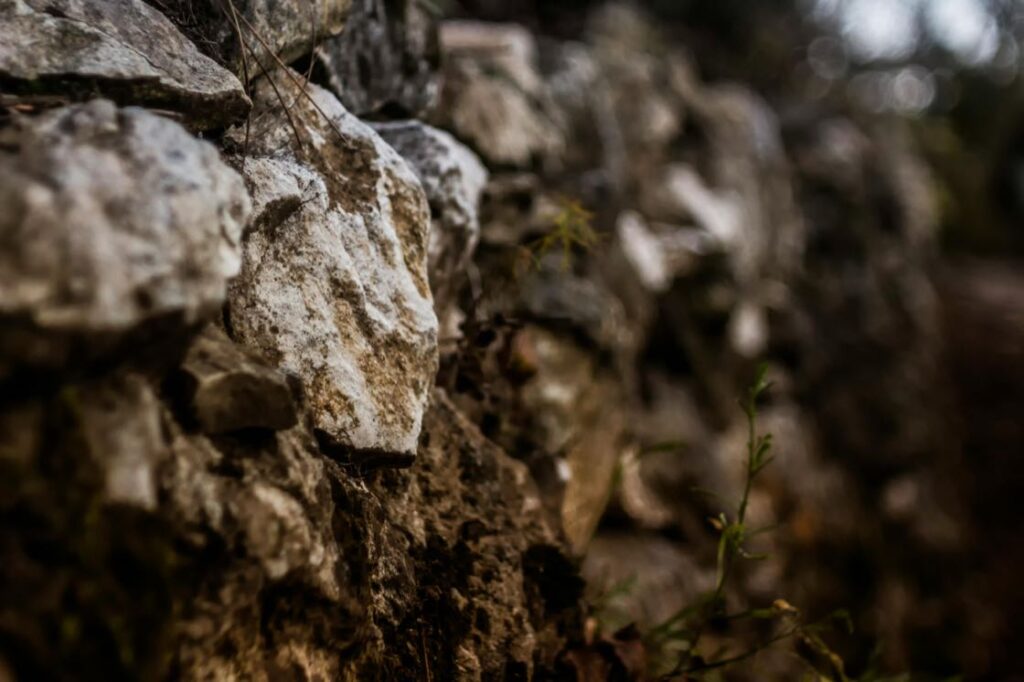
Over time, these primitive shelters slowly developed into more permanent structures. Dry-stone walls were built around the natural rocks using granite found on site, creating small spaces that sheltered people, animals and working tools.
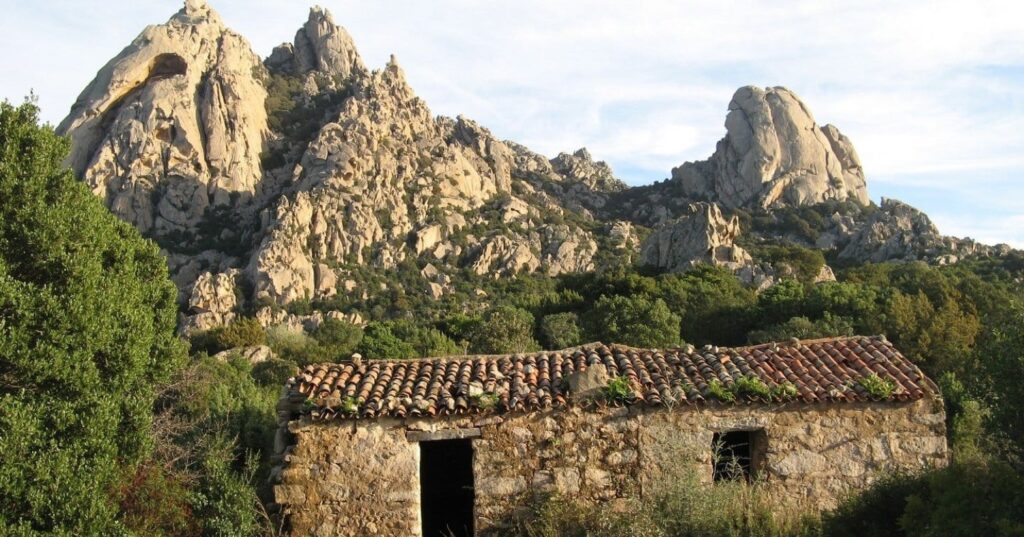
This was the birth of the Gallura stazzo.
The earliest buildings were extremely simple: often a single rectangular room made of granite stone, with thick walls offering protection from the wind and weather. Around the stazzo, small plots of land were gradually enclosed by dry-stone walls and used for animals, crops and the daily activities of the pastoral family.
As generations passed, these temporary settlements became increasingly permanent forms of rural habitation. Relationships of neighbourliness, cooperation and mutual assistance developed around the stazzi, giving rise to the so-called cussorge: small social clusters scattered across the territory and connected by strong human and family bonds.
The stazzo thus became the centre of life in Gallura.
The stazzi remain one of the most distinctive features of Gallura culture today. Many have been restored and recovered, while others still preserve the original appearance of the rural civilisation that inhabited these lands for centuries.
Telling the story of the stazzi therefore means telling the story of the very birth of modern Gallura: a land slowly built through the relationship between wind, granite, hard work and human resilience.