
Those who walk through the pine forests and along the paths of Monte Pino gradually enter a landscape of aromas, resins, wind and Mediterranean fragrances that change continuously with the light, the seasons and the moisture of the forest.
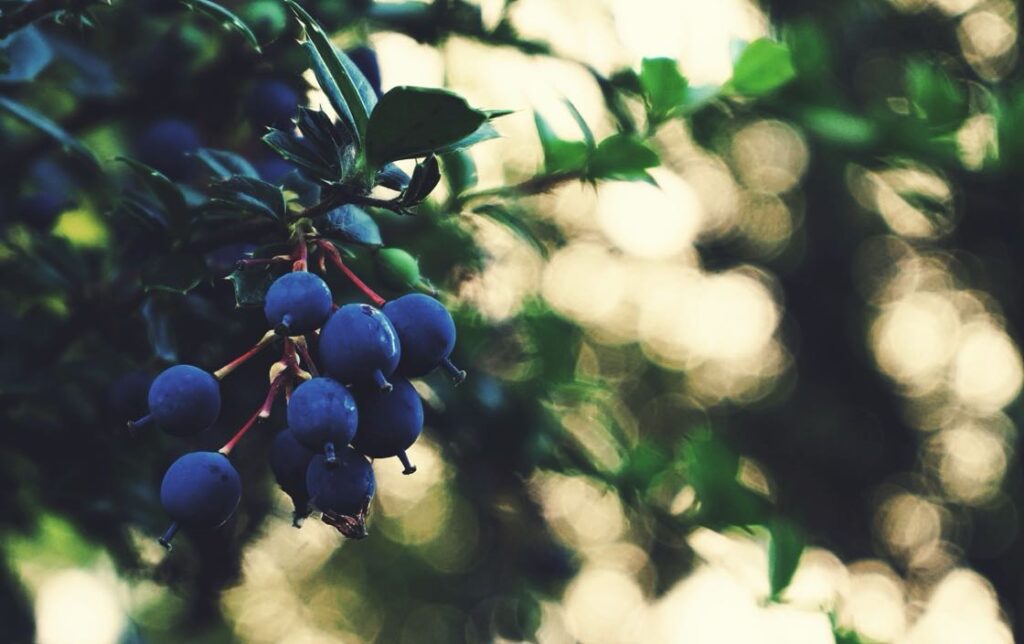
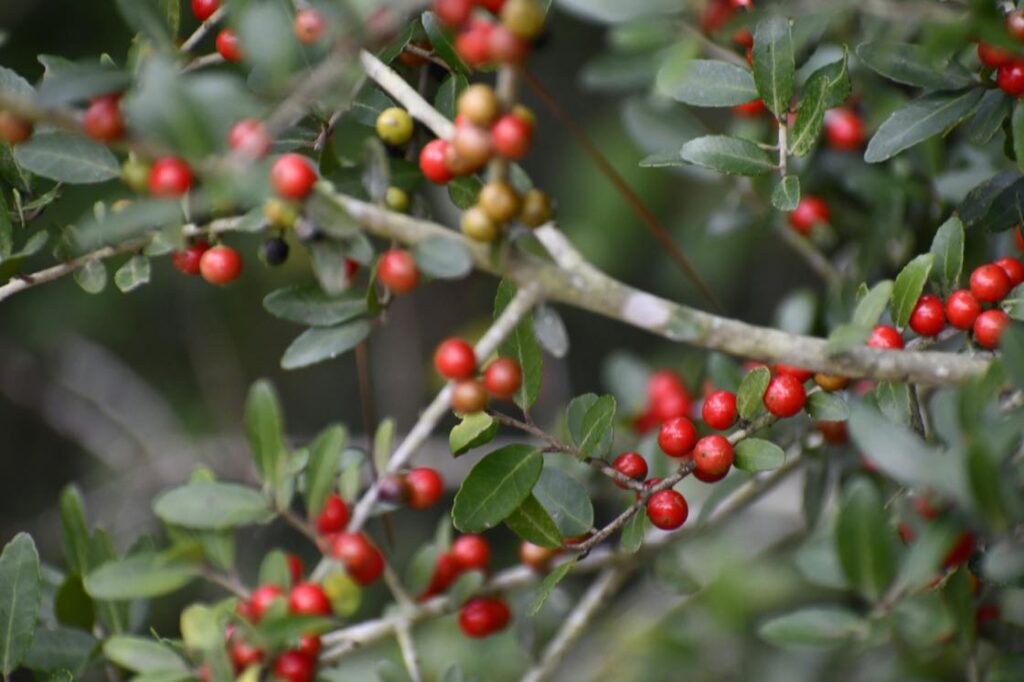
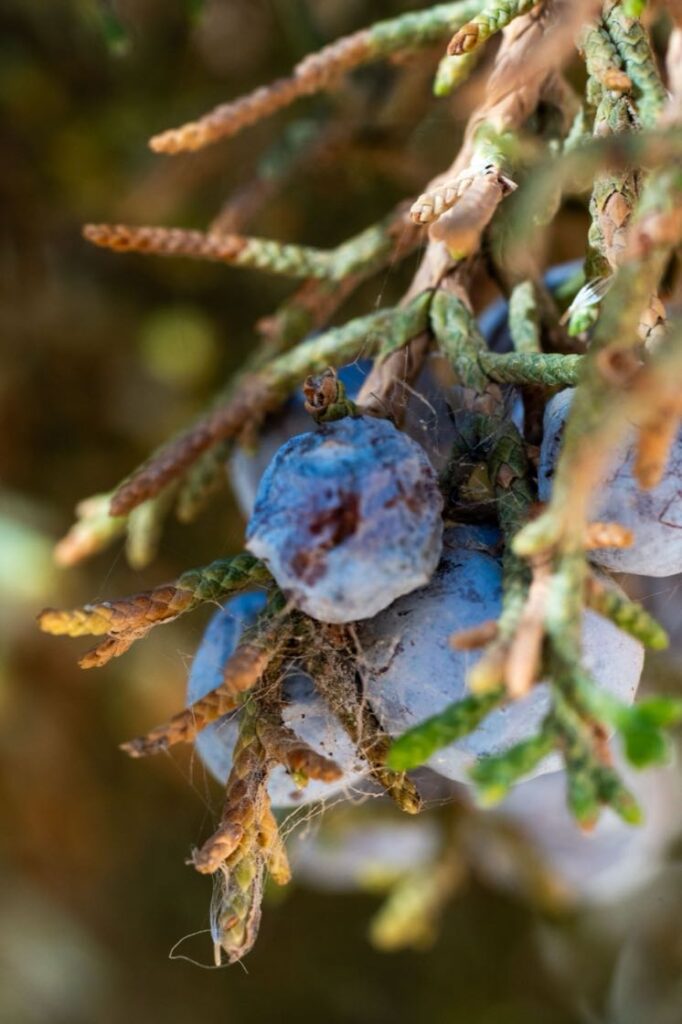
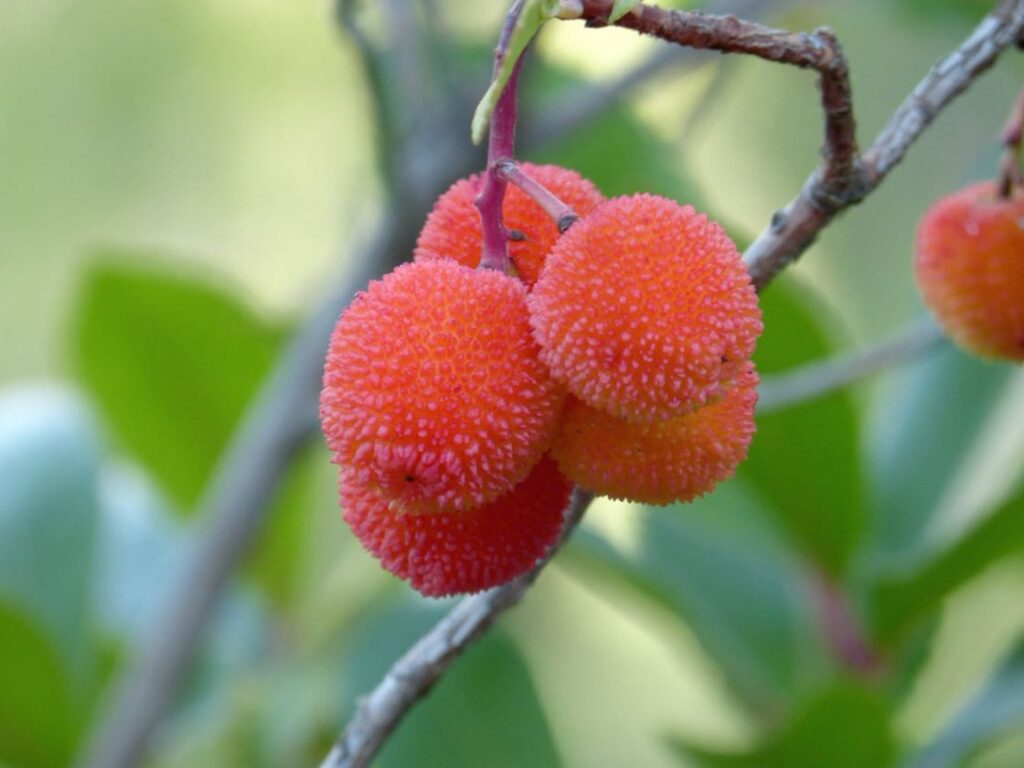
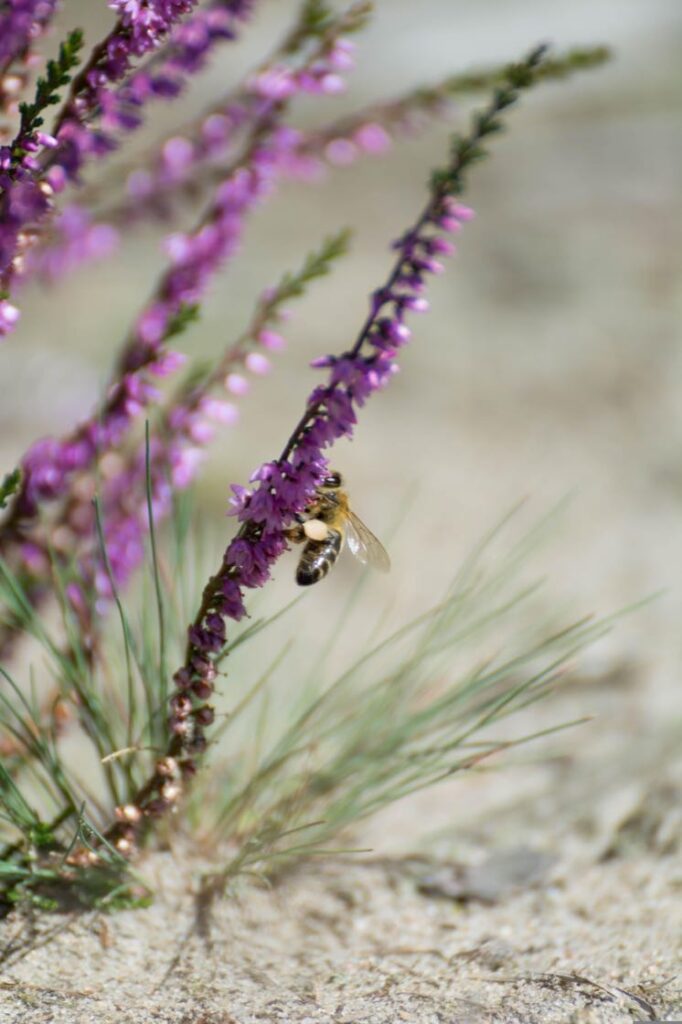
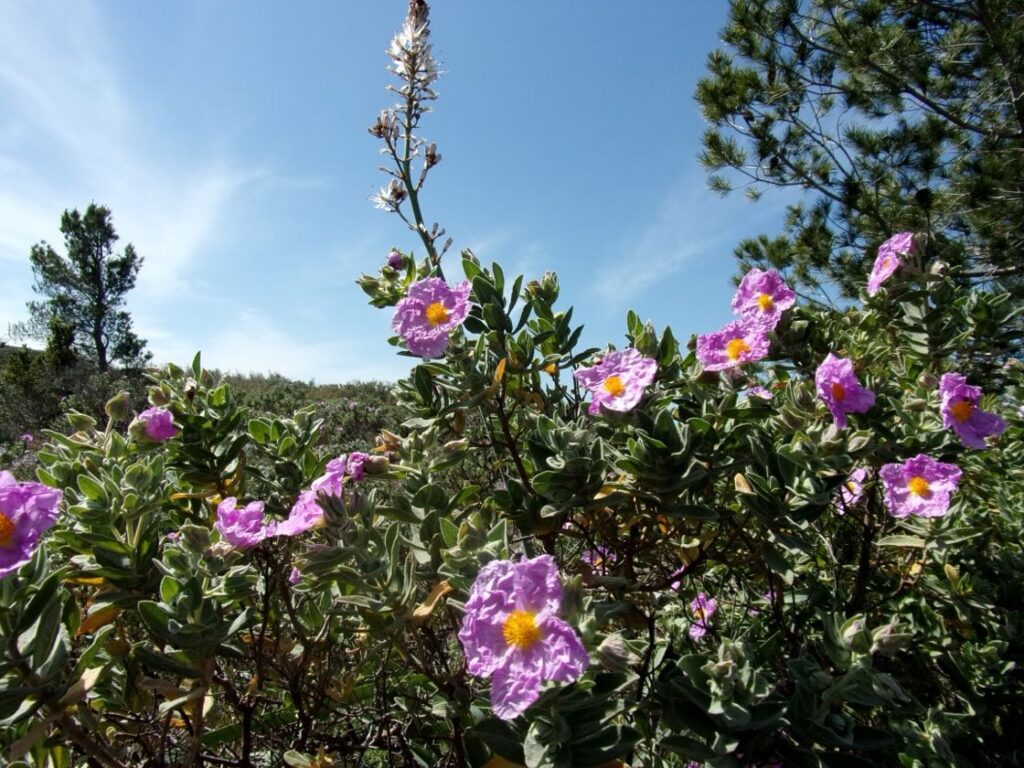
Among the granite rocks and great pine forests grow myrtle, mastic, juniper, strawberry tree, heather, wild olive, mock privet, rockrose and many other aromatic species typical of Gallura.
Myrtle is perhaps the plant most symbolic of Sardinia. Its leaves, rich in aromatic oils, release an intense and unmistakable fragrance that accompanies visitors along many of the mountain paths. In summer, its small white flowers perfume the woodland, while in autumn the dark berries tell of an age-old tradition associated with liqueurs, infusions and the flavours of Mediterranean culture.
Mastic grows alongside myrtle, a resilient plant deeply connected to Gallura’s wind-swept landscapes. Its resins and fragrances have accompanied the relationship between people and Mediterranean nature for centuries.
Among the rocks shaped by time, visitors also encounter great junipers, bent by the mistral and capable of assuming spectacular, almost sculptural forms. Juniper is one of the plants most closely associated with the identity of north-eastern Sardinia and helps create the intense, wild atmosphere that characterises Monte Pino.
No less fascinating is the presence of the wild olive, the ancient Mediterranean olive tree and a symbol of resilience and longevity, or of tree heath, which together with the pines, cork oak forests and aromatic scrub creates one of the richest plant landscapes in inland Gallura.
Experiences devoted to the “precious plants” will guide residents and visitors along sensory routes immersed in the natural world of Monte Pino, led by expert naturalists and specialists in Mediterranean flora.
These will not be simple botanical excursions. They will be slow journeys through the fragrance of Gallura.
During the walks, participants will be able to learn about the characteristics of the various plants, discover their aromas, observe the relationship between vegetation, granite and wind, and understand how plant life has shaped the landscape and culture of this territory over time.