
Every territory preserves a heritage that cannot be found in books, maps or archives. It is the memory of its people.
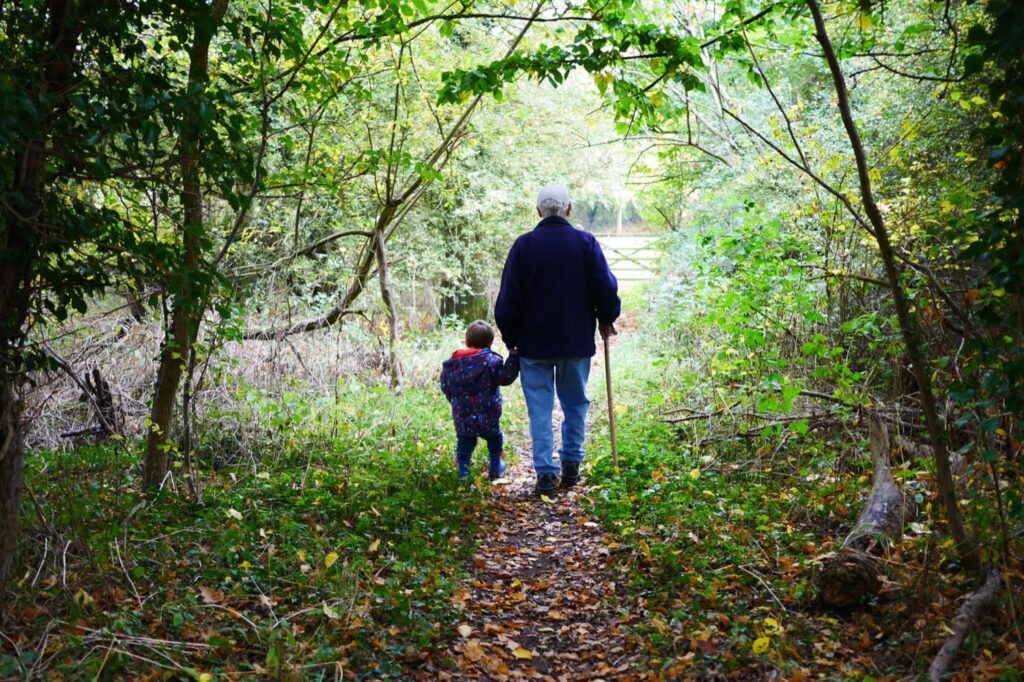
For centuries in Gallura, this memory took a simple yet immensely powerful form: oral storytelling. Stories passed from one generation to the next through the words of grandparents, evenings in the stazzi, work in the fields, vigils, folk festivals and the daily life of rural communities.
Before television, telephones and the internet, the elders were the keepers of the territory’s memory. Through their voices, people handed down place names, family histories, tales of the mountain, the grazing seasons, great snowfalls, fires, fears of the night, legends, the relationship with animals, the meaning of festivals and the Gallurese language.
Oral memory remains one of the most precious elements of the cultural heritage of inland Sardinia and Gallura.
Many scholars of anthropology and folk culture have highlighted how the rural communities of Gallura preserved a very strong oral tradition for generations, linked not only to recounting family events but also to transmitting the very identity of the territory.
Photographs, video interviews, stories and audiovisual materials make it possible to collect the voices of people who lived in this area in periods profoundly different from the present. Shepherds, farmers, village elders, women who preserve local traditions and people knowledgeable about Gallura culture can describe their relationship with the mountain, nature and life in the stazzi.
The memory of our grandparents is a living heritage, capable of helping new generations understand the profound relationship between the territory, the landscape and the people who inhabited it.