
Gallura is a land of ancient tales, symbols, fears, rituals and figures belonging to the folk memory of rural Sardinia.
For centuries, Gallura communities lived in isolated territories crossed by forests, mountains and long silences. In this setting, the relationship with night, nature and the unknown fostered an extraordinarily rich heritage of legends and folk beliefs handed down orally from one generation to the next.
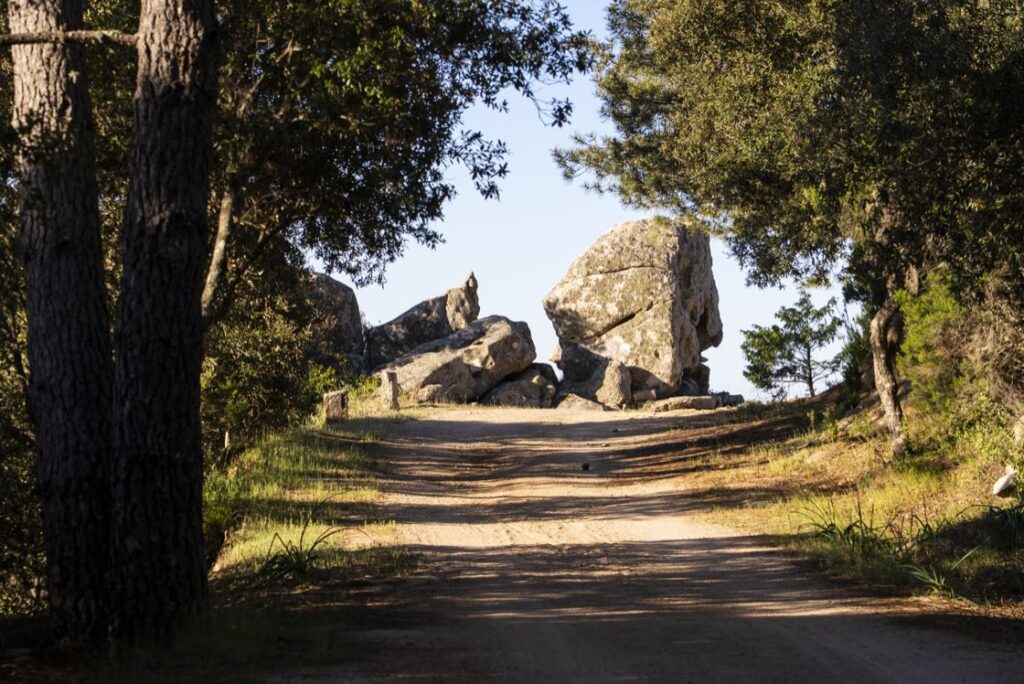
Many of these stories were not created to frighten, but to explain what seemed mysterious: the wind passing through the pine forests, noises in the woods, nightmares, the solitude of the stazzi or the sense of reverence inspired by places perceived as profoundly ancient.
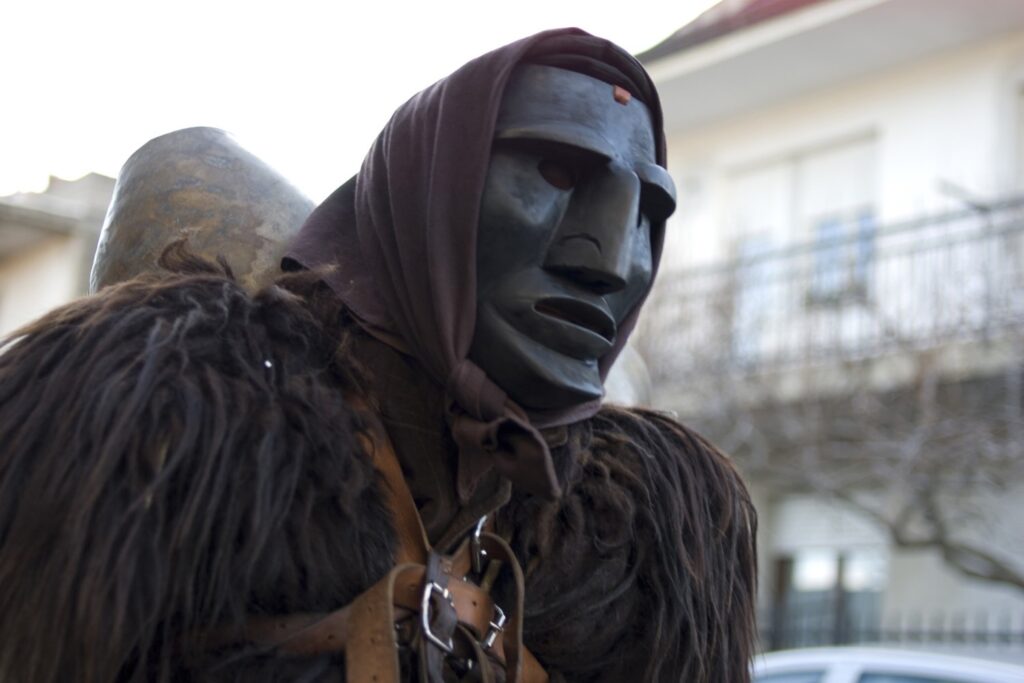
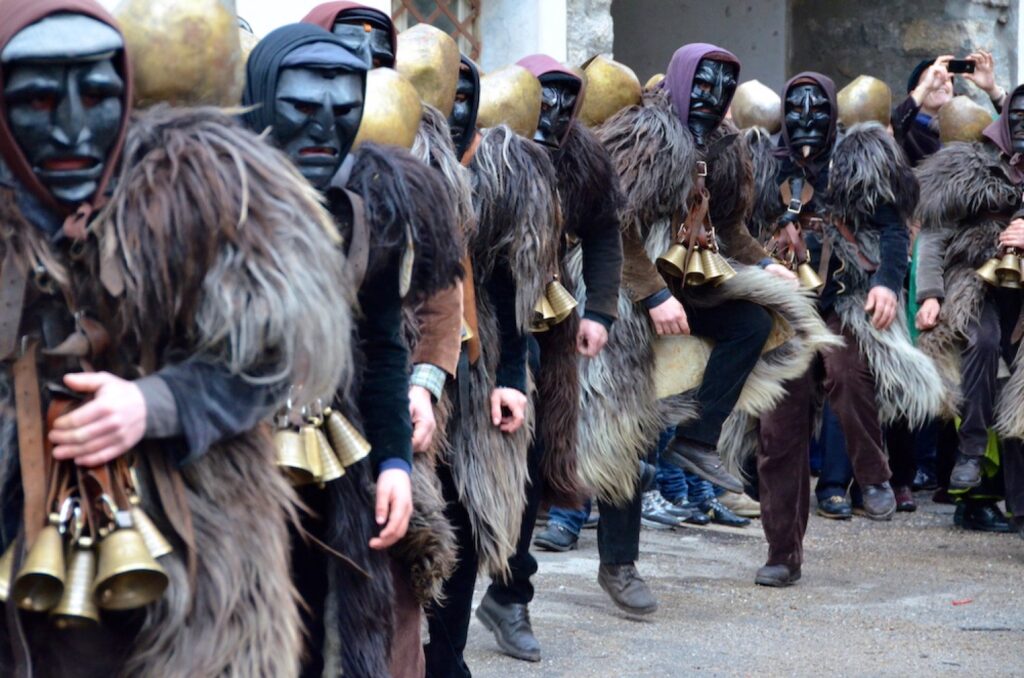
The traditional Mascare Gaddurese also occupy an important place in the Gallura imagination: masks representing archaic figures, symbolic animals and spirits connected to the pastoral and rural world. The Reula is the procession of penitent souls that, according to some folk beliefs, passed through villages at night. The Reula tradition is particularly widespread in northern Sardinia and evokes ancient ideas about the relationship between the living, the dead and the unseen world. Lu Traicogghju was a penitent spirit covered in heavy furs, its face concealed behind a rough cork mask. It noisily dragged a bull’s hide and chains, producing dark metallic sounds that broke the silence of the night. The masks, cowbells, animal hides and collective rituals tell of an ancient Sardinia profoundly connected to the cycles of nature and the symbolic dimension of community life.
Alongside the darker, ritual figures were masks associated with play, mystery and carnival amusement. The most famous were Li Linzoli Cupaltati, figures entirely wrapped in white sheets, their faces concealed by veils and embroidered lace. Behind those light fabrics was mainly the world of women: during Carnival, women could hide their identity and move freely among jokes, encounters and guessing games.
These traditions form part of a much broader cultural heritage that scholars of anthropology and folklore consider essential to understanding the history of Sardinia’s rural communities.