
Gallura is a land that has told its own story through the voice for centuries.
Even today, Gallura’s musical and linguistic heritage is one of the most original and recognisable features of north-eastern Sardinia. The Gallurese language, born from the encounter between Sardinia and Corsican and Tuscan influences, possesses unique linguistic characteristics that are deeply connected to the territory. Many scholars regard it as one of the cultural expressions most closely identified with historic Gallura.
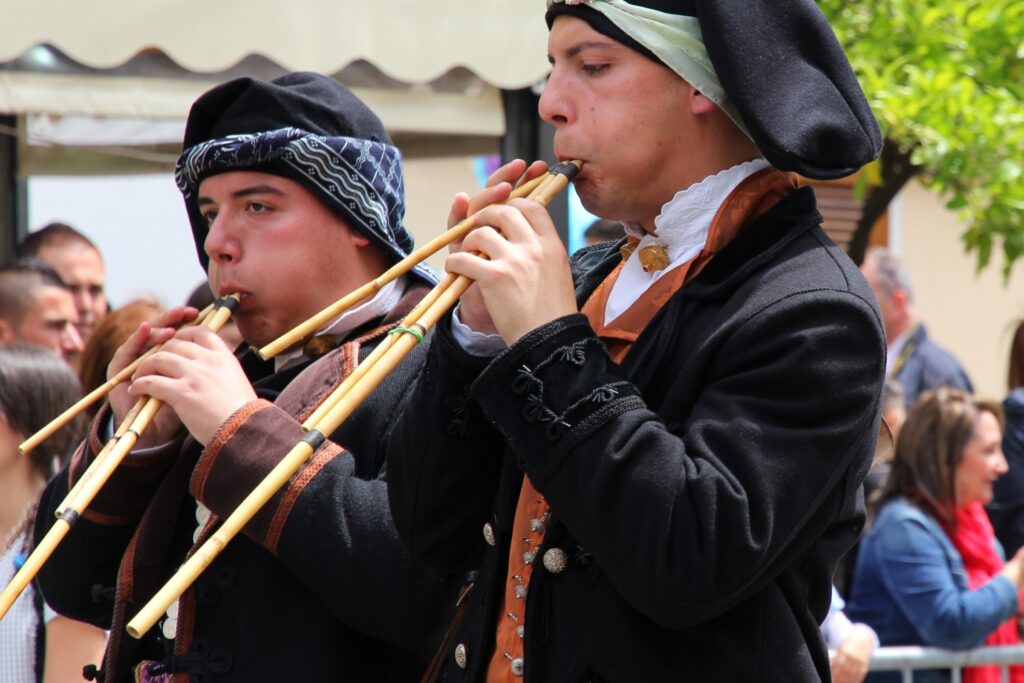
Alongside the language, an exceptionally rich tradition of song and oral poetry developed.
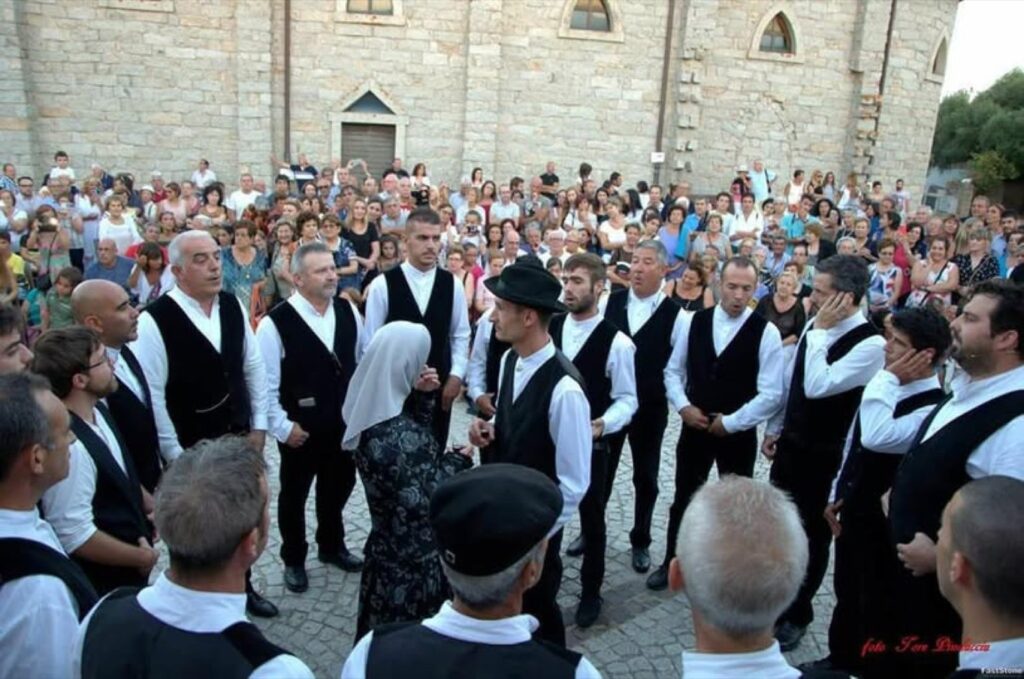
Among its best-known forms is the Gallura tasgia, an ancient musical and poetic expression generally performed by several voices and often associated with community gatherings, folk festivals and ritual occasions. The tasgia remains one of the most distinctive elements of Gallura’s musical culture and constitutes an important part of Sardinia’s ethnomusical heritage.
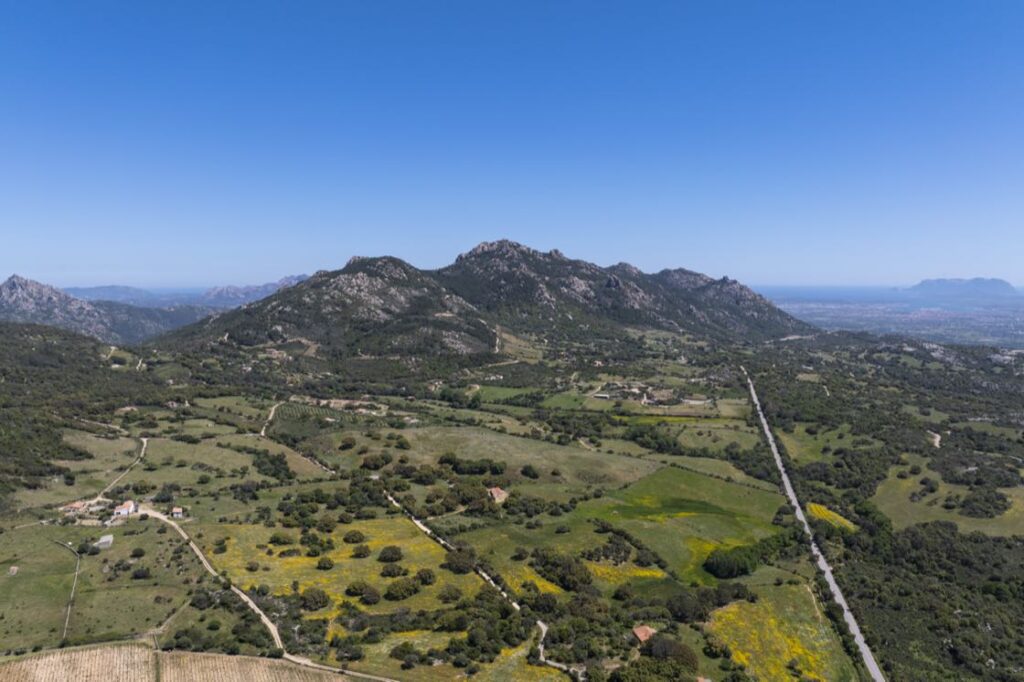
Traditional Gallura song arose from a rural, pastoral society in which the voice had a collective value. The lyrics told of work in the fields, the relationship with nature, love, longing, the sea, the wind, life in the stazzi and pride in one’s homeland.
Many of these traditions have survived thanks to oral transmission and the memory of local communities.
Alongside song, improvised poetry and oral storytelling also played a central role in Gallura culture. Stories were told in public, often accompanied by music or simply by the power of the spoken word, helping strengthen the sense of belonging within rural communities.